

Indoor Cycling Trends and Insights for Fitness Operators


Listen on 

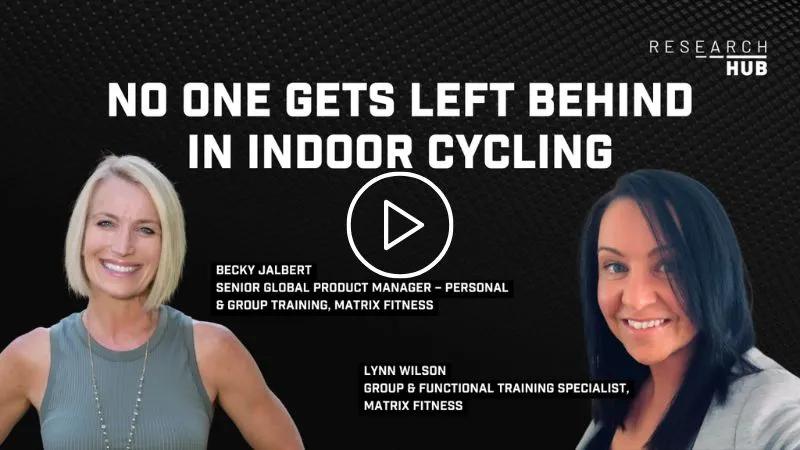
Indoor cycling continues to hold its place in fitness clubs, even as the industry shifts and adapts. In this episode of the Research Hub podcast, Lynn Wilson and Becky Jalbert take a clear look at where indoor cycling stands today and what operators need to think about moving forward. The conversation focuses on real challenges, changing member behavior, and practical ways clubs can keep cycling relevant and engaging.
The State of Indoor Cycling After COVID
Indoor cycling was one of the hardest hit group formats after COVID. Participation dropped by about 33 percent, according to industry data Becky referenced. Many members found ways to ride at home, which reduced the need to come into clubs for cardio-based classes.
That said, the category is recovering. Indoor cycling equipment sales are rising again, which points to renewed interest from operators and members. Cycling is not disappearing. It is finding its footing again as clubs rethink how they deliver the experience.
Instructor Shortages Are Holding Classes Back
One of the biggest challenges facing indoor cycling today is instructor availability. During facility closures, many instructors moved into other jobs and did not return. As a result, clubs are struggling to staff classes.
Operators are now recruiting from new places, including front desk staff and loyal members who love cycling but lack formal training. This shift increases the need for strong foundation programs that cover bike setup, class structure, and music use. These basics help new instructors feel confident and help clubs rebuild their schedules faster.
Why Indoor Cycling Still Works for Members
Indoor cycling remains one of the most inclusive group fitness formats. Riders can work at their own pace while still feeling part of a group. Becky shared examples from her own classes where beginners and experienced riders train side by side without pressure.
No one gets left behind in an indoor cycling class. That sense of safety and support keeps people coming back, especially those who may feel unsure in other group settings.
Strategic Equipment Choices Create Better Energy
More bikes do not always mean a better class. Becky pointed out that half-full studios hurt the experience and lower demand. Fewer bikes with full attendance create stronger energy and more interest.
Operators also need to watch seasonal trends. Attendance often drops in warmer months when people want to be outside. Adjusting schedules and bike counts throughout the year helps clubs match supply with demand and protect the experience.
Standing Out in a Crowded Market
Mid-market operators face the most pressure right now. Low-cost clubs offer basic access at low prices, while premium clubs sell high-end experiences. Clubs in the middle must be smart about how they stand out.
That often means focusing on programming quality, instructor development, and experience rather than expensive upgrades. Small changes can make a big difference when they align with what members actually want.
Indoor cycling still earns its place on the studio floor. The format works, the demand exists, and members value the experience when it is done well. Clubs that focus on instructor support, inclusive programming, and smart use of space will be best positioned for success.
The future of indoor cycling depends less on trends and more on execution. When the experience feels right, riders keep showing up.
Listen to the full conversation with Lynn Wilson and Becky Jalbert on the Matrix Fitness Global YouTube channel.


